


Tank vs Tankless Water Heaters Which is Best for Older Homes in Bryan College Station
- Jarrid Perry

- Jan 16
- 4 min read
Older homes in Bryan College Station often come with unique challenges when it comes to upgrading or replacing water heaters. Choosing between a traditional tank water heater and a modern tankless system requires careful consideration of the home's plumbing, energy efficiency, and hot water needs. This post explores the differences between tank and tankless water heaters and helps homeowners decide which option suits older homes best.

Understanding Water Heater Types
Before deciding which water heater fits an older home, it’s important to understand how each type works.
Tank Water Heaters
Tank water heaters store a large volume of hot water in a tank, typically ranging from 30 to 80 gallons. The water is heated continuously and kept at a set temperature, ready for use. When hot water is used, cold water refills the tank and heats up.
Key features:
Constant supply of hot water stored in the tank
Simpler installation and lower upfront cost
Larger physical footprint requiring more space
Energy loss due to standby heat (keeping water hot even when not in use)
Tankless Water Heaters
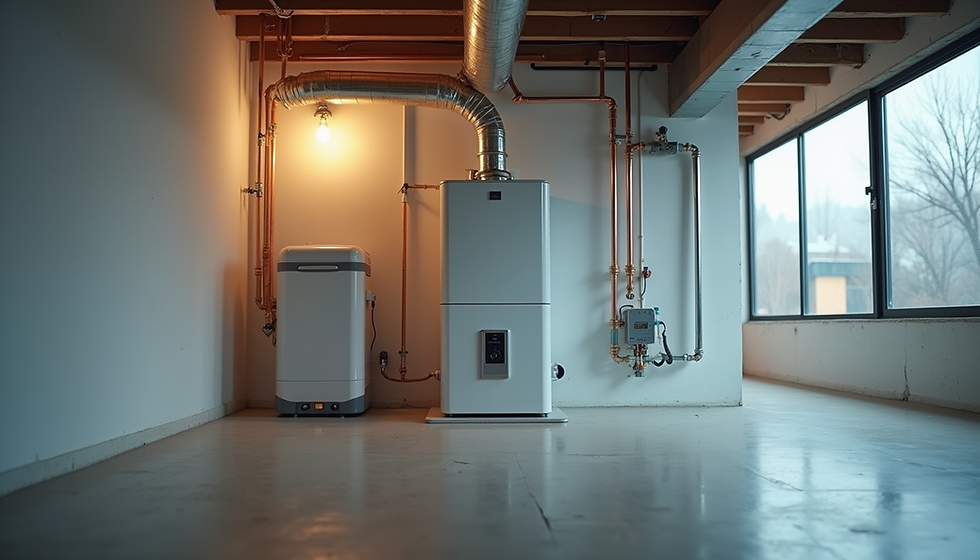
Tankless water heaters, also called on-demand heaters, heat water only when needed. When a hot water tap opens, cold water travels through a heating element or gas burner, warming instantly without storing water.
Key features:
Continuous hot water supply without storage limits
Smaller size, saving space in tight areas
Higher upfront cost and more complex installation
Energy efficient by heating water only when needed
Challenges of Installing Water Heaters in Older Homes
Older homes in Bryan College Station often have plumbing systems and electrical setups that differ from modern standards. These factors affect the choice between tank and tankless water heaters.
Plumbing and Space Constraints
Older homes may have narrower pipes and limited space for new equipment. Tank water heaters require a dedicated area for the tank, which can be bulky. Tankless units are compact but may need upgraded plumbing or venting systems.
Electrical and Gas Supply
Tankless water heaters often require higher electrical capacity or specific gas line sizes to operate efficiently. Older homes might need electrical panel upgrades or gas line modifications, adding to installation costs.
Insulation and Energy Efficiency
Older homes tend to have less insulation, which can increase heat loss in hot water pipes. This affects overall energy efficiency regardless of the water heater type. Adding pipe insulation can improve performance.
Comparing Tank and Tankless Water Heaters for Older Homes
Installation and Upfront Costs
Tank water heaters usually cost less to purchase and install. They fit well with existing plumbing and gas lines in older homes.
Tankless water heaters have higher upfront costs due to equipment price and potential upgrades needed for electrical or gas systems.
Energy Efficiency and Operating Costs
Tankless models save energy by heating water only when needed, reducing standby heat loss.
Tank heaters consume more energy maintaining water temperature but may be more cost-effective if hot water demand is constant and high.
Hot Water Supply and Usage Patterns
Tank heaters provide a limited amount of hot water stored in the tank. Once depleted, there is a wait for reheating.
Tankless heaters provide continuous hot water, ideal for larger families or homes with high simultaneous demand.
Maintenance and Lifespan
Tank water heaters typically last 10-15 years and require regular flushing to remove sediment.
Tankless water heaters can last 20+ years with proper maintenance, including descaling in areas with hard water.

Tankless Rinnai Water Heater Installed on Exterior Wall by American Plumbing Company in Bryan College Station
Practical Considerations for Bryan College Station Homes
Water Quality and Hardness
Bryan College Station has areas with hard water, which can cause mineral buildup in water heaters. Tankless systems are more sensitive to scale buildup and may require more frequent maintenance.
Space Availability
Older homes with limited attic or utility room space benefit from the compact size of tankless water heaters. If space is not an issue, a traditional tank heater remains a practical choice.
Hot Water Demand
Homes with multiple bathrooms or high hot water usage may find tankless heaters more convenient for continuous supply. Smaller households with moderate use may prefer tank heaters for simplicity.
Local Climate and Energy Costs
Texas summers can increase hot water demand for cooling and cleaning. Energy costs in Bryan College Station influence the long-term savings from energy-efficient tankless systems.
Case Example: Replacing a Water Heater in a 1950s Bryan Home
A homeowner in Bryan College Station with a 1950s-built house faced frequent repairs on an aging tank water heater. The home had limited attic space and older plumbing. After consulting with a local plumbing company, the homeowner chose a tankless water heater.
Reasons:
Space savings allowed installation in a smaller utility closet
Continuous hot water supply met the needs of a growing family
Energy savings offset the higher installation cost over five years
The plumbing company upgraded the gas line and installed a venting system suitable for the tankless unit. Regular maintenance was scheduled to manage hard water effects.
Tips for Choosing the Right Water Heater for Older Homes
Assess your hot water needs: Consider family size and peak usage times.
Evaluate space: Measure available installation areas and access.
Check plumbing and electrical systems: Identify if upgrades are needed.
Consider energy costs: Calculate potential savings with energy-efficient models.
Consult local professionals: Experienced plumbers in Bryan College Station can provide tailored advice and installation services.
Summary
Choosing between a tank and tankless water heater for an older home in Bryan College Station depends on several factors including space, plumbing, energy efficiency, and hot water demand. Tank water heaters offer lower upfront costs and simpler installation but consume more energy. Tankless water heaters save energy and space but require higher initial investment and possible system upgrades.


Comments