


Advantages of Water Filters: Unlocking the Power of Clean Water

Access to clean and safe drinking water is essential for health and well-being. Water filtration systems have become increasingly popular as a reliable solution to improve water quality at home and in various settings. These systems remove contaminants, enhance taste, and provide peace of mind. This article explores the many advantages of water filters and why investing in one can be a smart choice for your household or business.
Understanding the Advantages of Water Filters
Water filters work by removing impurities such as chlorine, sediment, heavy metals, bacteria, and other harmful substances from tap water. The technology behind these systems varies, including activated carbon filters, reverse osmosis, UV purification, and ceramic filters. Each type targets specific contaminants, ensuring the water you consume is cleaner and safer.
Some key advantages of water filters include:
Improved taste and odor: Removing chlorine and other chemicals enhances the flavor and smell of water.
Health protection: Filters reduce exposure to harmful contaminants that can cause illness.
Cost savings: Using filtered water reduces the need to buy bottled water.
Environmental benefits: Less reliance on plastic bottles means less waste.
Convenience: Access to clean water directly from the tap without extra effort.
By understanding these benefits, you can make an informed decision about the best water filtration system for your needs.
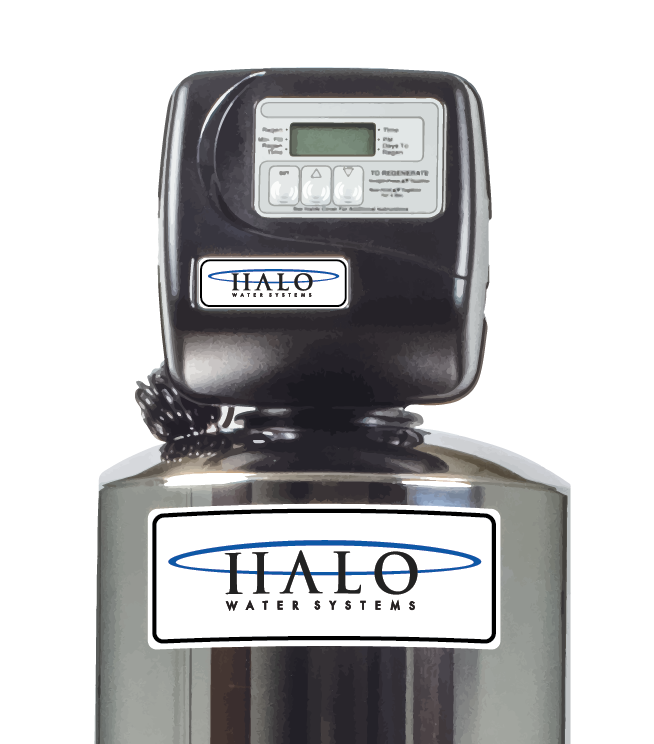
What are the Benefits of Water Filtration?
Water filtration offers a range of benefits that go beyond just improving taste. Here are some detailed advantages:
1. Healthier Drinking Water
Many municipal water supplies contain trace amounts of contaminants such as lead, chlorine, pesticides, and bacteria. Long-term exposure to these substances can pose health risks. Water filters effectively reduce or eliminate these contaminants, providing safer water for drinking and cooking.
For example, activated carbon filters absorb chlorine and volatile organic compounds (VOCs), while reverse osmosis systems can remove heavy metals like lead and arsenic. This means fewer risks of gastrointestinal issues, skin irritations, and other health problems.
2. Better Taste and Smell
Chlorine is commonly used to disinfect public water supplies, but it can leave an unpleasant taste and odor. Water filtration systems remove chlorine and other chemicals, resulting in fresher, cleaner-tasting water. This encourages people to drink more water, supporting better hydration and overall health.
3. Cost-Effective and Eco-Friendly
Buying bottled water can be expensive and generates plastic waste. Installing a water filter at home is a one-time investment that provides continuous access to clean water. This reduces the need for bottled water, saving money and helping the environment by lowering plastic pollution.
4. Convenience and Accessibility
Filtered water is available on demand, eliminating the hassle of carrying heavy water bottles or waiting for delivery. Many filtration systems are easy to install and maintain, making them a practical choice for busy households.
5. Protects Appliances and Plumbing
Sediment and minerals in unfiltered water can cause buildup in pipes and appliances like coffee makers and dishwashers. Water filters reduce these deposits, extending the lifespan of your plumbing and appliances and reducing maintenance costs.
How to Choose the Right Water Filtration System
Selecting the best water filter depends on your specific water quality and needs. Here are some tips to guide your choice:
Test your water: Identify contaminants present in your water supply through a water quality test.
Consider filtration type: Choose a system that targets the contaminants you want to remove (e.g., activated carbon for chlorine, reverse osmosis for heavy metals).
Evaluate capacity and flow rate: Ensure the system can handle your household’s water usage without slowing flow.
Check maintenance requirements: Some filters need frequent cartridge changes, while others require less upkeep.
Look for certifications: Choose filters certified by organizations like NSF International for performance and safety.
By carefully assessing these factors, you can select a water filtration system that meets your needs and budget.

Practical Tips for Maintaining Your Water Filter
To maximize the benefits of your water filtration system, proper maintenance is essential. Here are some actionable recommendations:
Replace filters regularly: Follow manufacturer guidelines for filter replacement to ensure optimal performance.
Clean the system: Periodically clean filter housings and components to prevent bacterial growth.
Monitor water quality: Keep an eye on changes in taste, odor, or flow rate as signs that maintenance is needed.
Use pre-filters if necessary: In areas with high sediment, pre-filters can protect your main filter and extend its life.
Keep records: Track filter changes and maintenance dates to stay on schedule.
Regular upkeep ensures your water filter continues to provide safe, great-tasting water.
Exploring the Water Filtration Benefits for Your Home and Health
Investing in a water filtration system offers numerous advantages that improve your quality of life. Clean water supports better health, enhances the taste of your beverages and meals, and reduces environmental impact. Whether you choose a simple pitcher filter or a whole-house system, the benefits are clear.
By understanding the technology, selecting the right system, and maintaining it properly, you can enjoy fresh, safe water every day. This small change can lead to significant improvements in health, convenience, and sustainability.
Start exploring your options today and experience the many advantages of water filters in your home.
Embracing Clean Water for a Healthier Future
Water filtration systems are more than just appliances - they are investments in health, convenience, and environmental responsibility. Clean water is fundamental to life, and having access to it should be a priority for every household.
By choosing the right water filter and maintaining it well, you ensure that your family drinks water free from harmful contaminants. This simple step can prevent illness, improve hydration, and contribute to a greener planet.
Take control of your water quality and enjoy the peace of mind that comes with knowing your water is clean, safe, and delicious. The advantages of water filters make them an essential addition to any home or business seeking better water quality.


Comments