


Essential Safety Steps Bryan College Station Homeowners Should Take Before Contacting a Plumber
- Jarrid Perry

- Feb 26
- 3 min read
When a plumbing issue strikes at home, it can quickly turn into an emergency. Water leaks, burst pipes, or faulty fixtures can cause damage and disrupt daily life. Before calling a plumber, Bryan College Station homeowners can take important safety steps to protect their property and reduce risks. Knowing how to act in these situations helps prevent further damage and ensures the plumber can work efficiently once they arrive.

Locate and Shut Off the Main Water Valve
The first and most critical step is to find the main water shut-off valve in your home. This valve controls the entire water supply and stopping the flow can prevent flooding or water damage.
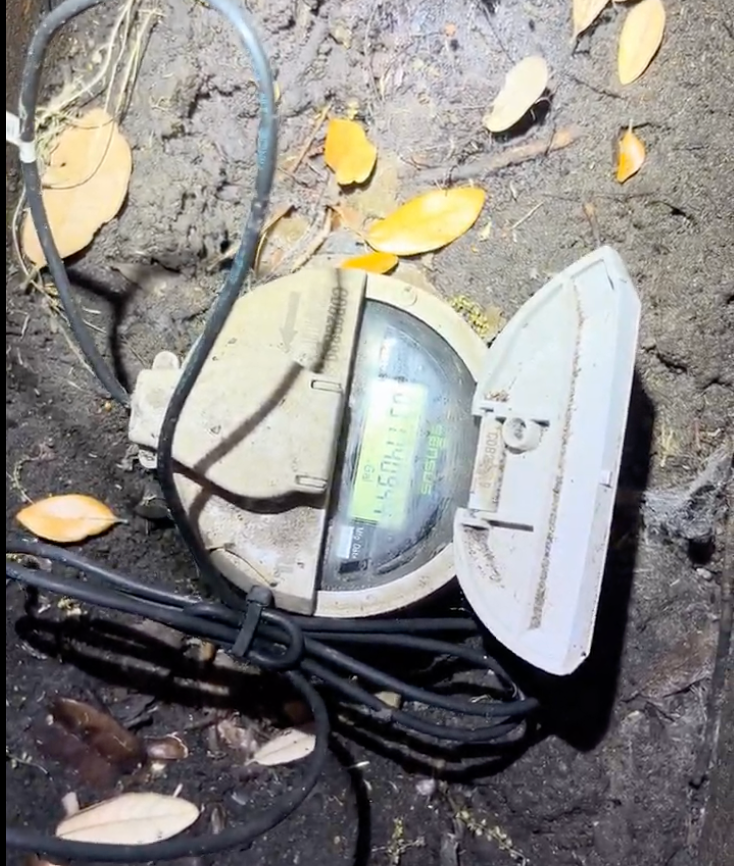
Where to find it: Usually near the water meter, in the garage, or outside near the foundation.
How to shut it off: Turn the valve clockwise until it stops. Some valves require a quarter turn, others need multiple rotations.
Why it matters: Stopping water flow immediately limits damage from leaks or bursts and makes repairs safer.
Practice locating and turning off this valve before an emergency happens. This simple action can save thousands of dollars in damage.
Identify and Close Emergency Valves for Appliances
Many homes have individual shut-off valves for appliances like sinks, toilets, water heaters, and washing machines. These valves allow you to isolate the problem area without cutting off water to the entire house.
Check under sinks and behind toilets for small valves.
Turn valves clockwise to close them.
Use these valves if the issue is localized, such as a leaking faucet or toilet.
Knowing these valves helps you control water flow quickly and reduces the impact on your household.
Turn Off Electricity Near Water Leaks
Water and electricity create a dangerous combination. If you notice water pooling near electrical outlets, appliances, or your circuit breaker, take immediate action:
Switch off power to the affected area at the circuit breaker.
Avoid touching electrical devices if they are wet or near water.
Call an electrician if you suspect electrical hazards.
This step protects you and your family from electric shocks and fire risks while waiting for professional help.
Clear the Area Around the Leak or Damage
Before the plumber arrives, clear the area around the leak or damaged pipe. This makes it easier for the technician to access the problem and speeds up repairs.
Remove furniture, rugs, and valuables near the leak.
Place buckets or towels to catch dripping water.
Ensure good lighting so the plumber can see clearly.
A tidy workspace helps the plumber work safely and efficiently.
Document the Problem for the Plumber
Taking photos or videos of the leak or damage can help the plumber understand the issue before arriving. This documentation can also be useful for insurance claims.
Capture clear images of the affected area.
Note any unusual sounds or smells related to the leak.
Write down when the problem started and any steps you took.
Sharing this information speeds up diagnosis and repair.
Avoid Using Chemicals or DIY Fixes That Could Worsen the Problem
While it might be tempting to use chemical drain cleaners or attempt quick fixes, these can sometimes cause more harm than good.
Avoid harsh chemicals that can damage pipes.
Do not attempt complex repairs without proper tools or knowledge.
Wait for the plumber to handle major issues safely.
Using the right approach protects your plumbing system and your wallet.
Know When to Call Emergency Services
Some plumbing problems require immediate professional attention beyond a standard plumber visit:
Major flooding inside the home
Gas leaks near water heaters or appliances
Sewage backups or foul odors
In these cases, call emergency services or specialized technicians immediately to ensure safety.

Comments