


Understanding Your High Water Bill: Common Reasons and Solutions

A sudden spike in your water bill can be frustrating and confusing. You might wonder why your costs have increased when your water use feels the same. Understanding the reasons behind a high water bill can help you take control, reduce waste, and save money. This post breaks down common causes of high water bills and offers practical solutions to help you manage your water use effectively.
How Water Billing Works
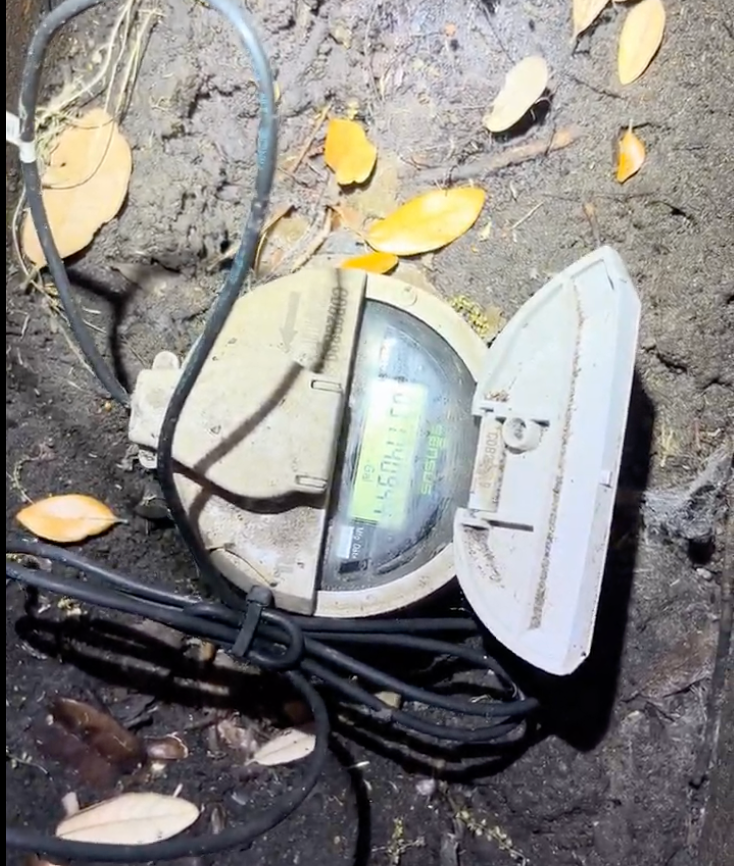
Water bills are usually based on the amount of water you use, measured in units such as gallons or cubic feet. Your water meter tracks this usage, and the utility company charges you based on the volume recorded. Some areas also include sewer charges or fixed fees in the bill, which can affect the total amount.
Understanding your bill’s structure helps you identify if the increase is due to higher consumption or changes in rates. Check your bill carefully for:
Water usage in the current period compared to previous months
Any rate changes or new fees
Additional charges like sewer or stormwater fees
Common Reasons for a High Water Bill
Leaks in Your Plumbing System
Leaks are one of the most common causes of unexpectedly high water bills. Even small drips can waste hundreds of gallons over a month. Common leak sources include:
Running toilets
Dripping faucets
Leaking irrigation systems
Hidden pipe leaks inside walls or underground
How to detect leaks:
Check your water meter before and after a period when no water is used. If the meter changes, you likely have a leak.
Listen for running water sounds when everything is off.
Look for damp spots, mold, or unusually green patches in your yard.
Fixing leaks quickly can save significant water and reduce your bill.
Increased Water Use
Sometimes, your water use may increase without you realizing it. This can happen due to:
More people living in the home
Filling a new pool or water feature
Watering the garden more often, especially in dry seasons
Frequent car washing or outdoor cleaning
Tracking your daily water habits can help you spot changes. Installing a water meter or using smart home devices can provide real-time data on your consumption.
Faulty or Old Appliances
Older appliances like dishwashers, washing machines, or water heaters may use more water than newer, efficient models. Faulty appliances can also leak or run unnecessarily.
Consider:
Checking for leaks or running cycles in appliances
Upgrading to water-efficient models certified by programs like WaterSense
Running full loads in washing machines and dishwashers to maximize efficiency
Irrigation System Problems
Irrigation systems can waste water if they are not properly maintained or programmed. Common issues include:
Broken or misaligned sprinkler heads
Watering during windy or rainy conditions
Overwatering lawns or gardens
Adjust your irrigation schedule based on weather and season. Inspect your system regularly to fix leaks or broken parts.
Changes in Water Rates or Billing Errors
Sometimes a high bill results from changes in water rates or billing mistakes. Utility companies may increase rates due to infrastructure costs or drought conditions. Billing errors can also cause incorrect charges.
If your bill seems unusually high:
Compare your current bill with previous ones
Contact your water provider to confirm rates and check for errors
Request a meter inspection if you suspect a faulty meter
How to Lower Your Water Bill
Fix Leaks Promptly
Repair dripping faucets, running toilets, and leaking pipes as soon as you notice them. Even small leaks add up over time.
Use Water-Efficient Fixtures
Install low-flow showerheads, faucets, and toilets to reduce water use without sacrificing performance.
Adjust Outdoor Watering
Water your lawn early in the morning or late in the evening to reduce evaporation. Use drought-resistant plants that need less water.
Monitor Your Water Use
Keep track of your water consumption regularly. Some utilities offer online portals or apps to help you monitor usage.
Upgrade Appliances
Replace old appliances with water-efficient models. Look for Energy Star or WaterSense labels.
Educate Household Members
Encourage everyone in your home to conserve water by turning off taps when not in use and taking shorter showers.
When to Call a Professional
If you cannot find the cause of your high water bill or suspect hidden leaks, it’s wise to call a American Plumbing Company. They can perform thorough inspections using specialized equipment to detect leaks behind walls or underground.


Comments